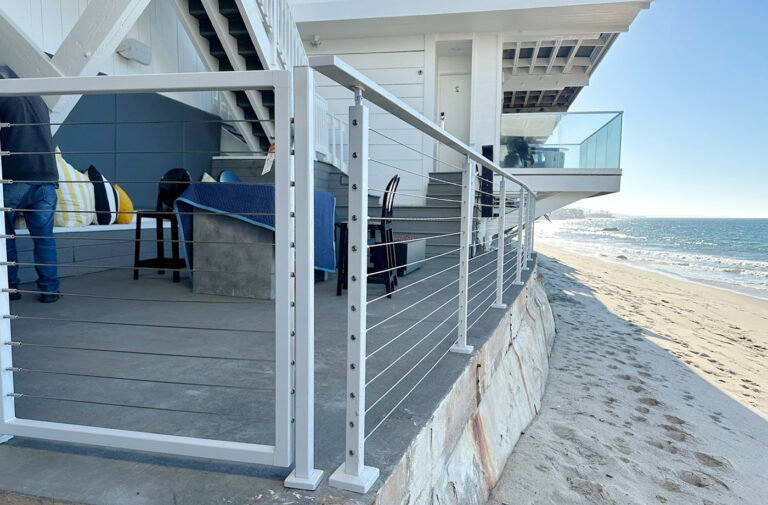
When installing a railing system, it’s not just about choosing a sleek design or durable materials. Safety and compliance with building codes are crucial for both residential and commercial projects. Understanding these requirements can save you from costly mistakes, ensure safety, and increase the value of your property.
Here’s what you need to know to ensure your railing system is fully code-compliant.
1. Height Requirements for Railings
• Residential Properties:
For balconies, decks, and raised surfaces, railings must be at least 42 inches high in most cases. Stair railings may have a lower minimum height of 34 to 38 inches.
• Commercial Properties:
Commercial codes often have the same minimum height requirements but may also specify additional measures to ensure accessibility and safety under ADA (Americans with Disabilities Act) guidelines. One important difference is that the height for the railings on the stairs is higher than residential: the same 42 inches required for flat elevated areas.
2. Spacing and Load Requirements
• Guardrail Spacing:
Railings must be designed to prevent objects or people from falling through. Vertical balusters or cables should have gaps no larger than 4 inches to prevent small children or pets from slipping through.
• Structural Load:
Railings must withstand a concentrated load of 200 pounds applied in any direction at the top of the rail. This ensures the railing remains sturdy under stress, whether it’s a windy day or someone leaning heavily against it.
3. Safety Glass and Material Standards
• Glass Railings:
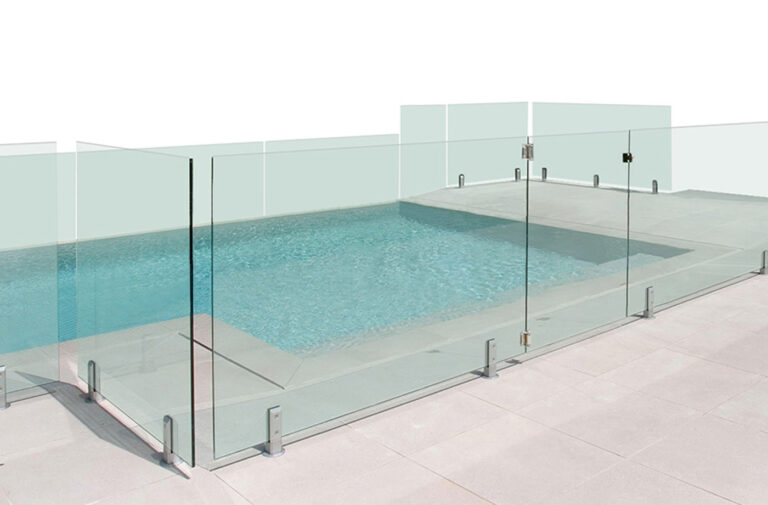
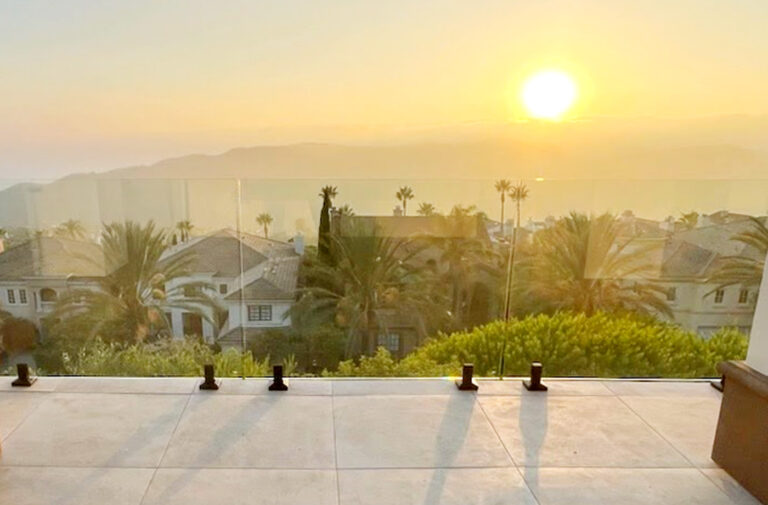
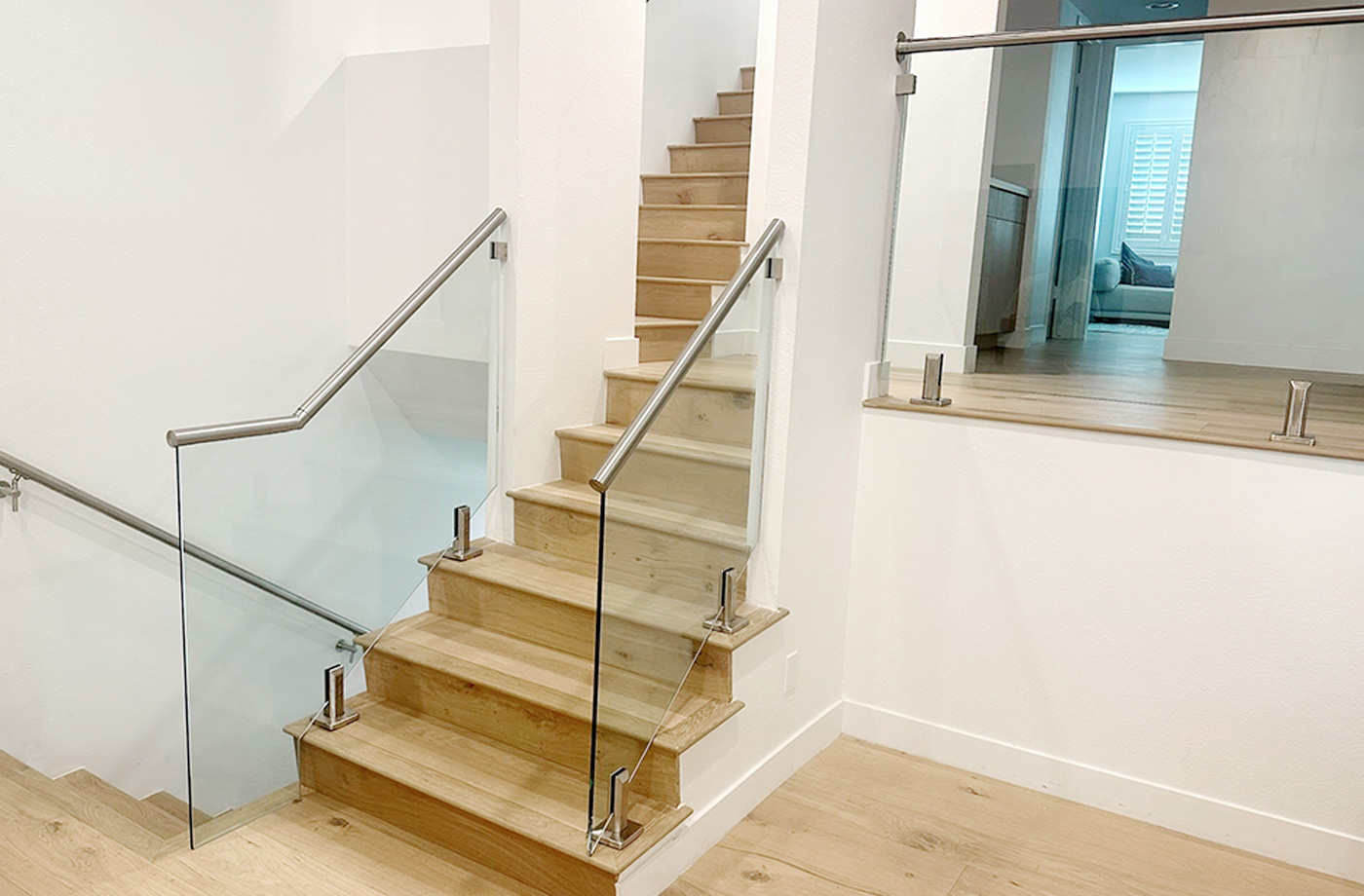
If you’re using glass panels, they must be made of tempered or laminated safety glass to prevent dangerous breakage. This is especially critical for railings installed on decks, balconies, or stairs.
• Durable Materials:
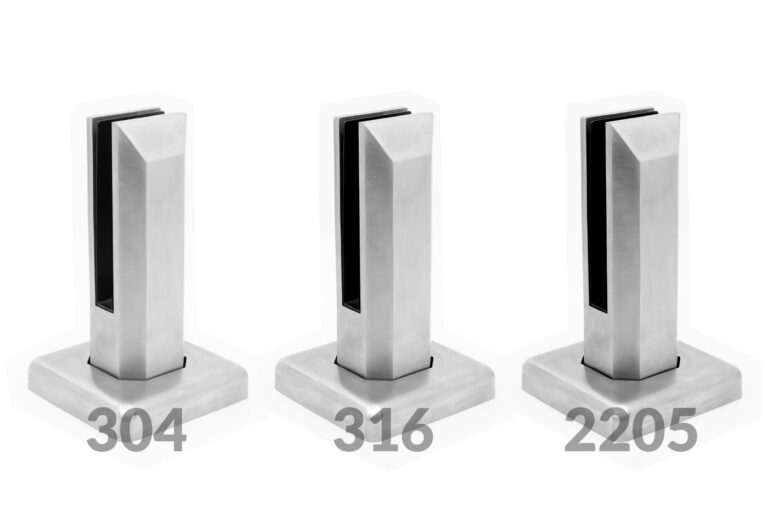
California’s varying climate conditions demand railing materials that are resistant to weathering, corrosion, and rust. Aluminum, stainless steel, and treated wood are popular choices for outdoor railings.
4. Stair Railing Guidelines
For stairways:
• Railings must be continuous along the entire flight of stairs.
• Handrails must be installed at a height between 34 and 38 inches for residential applications and at least 42 inches for commercial.
• They should provide a firm grip and extend beyond the top and bottom of the stairs for added safety.
5. Accessibility Compliance (ADA Standards)
If your project involves public or commercial spaces, ADA compliance is mandatory:
• Handrails must have a 1.5-inch clearance from walls or surfaces to allow a comfortable grip.
• Railings must not have sharp edges and should have smooth, continuous surfaces to prevent injuries.
6. Local Building Codes
While California state codes set the foundation, individual cities and counties may have additional regulations. For example, coastal areas might require corrosion-resistant materials, while urban areas could have specific aesthetic or zoning requirements.
Always check with your local building department or a professional installer to ensure compliance with regional codes.
Why Code Compliance Matters
Installing a non-compliant railing system can lead to:
• Fines or penalties: Local authorities can issue citations for non-compliant structures.
• Safety risks: Non-compliant railings increase the likelihood of accidents.
• Delays in property sales: If you’re selling your home, non-compliance may cause inspection issues.
How West Railings can help you with Code Compliance
At West Railings, we prioritize safety and adherence to building codes. Our materials are designed and fabricated to meet or exceed all safety standards. We work with durable materials and focus on precise craftsmanship to give you a railing system that’s not only compliant but also stylish and long-lasting.
Ready to Upgrade Your Railings?
Whether you’re renovating your home or outfitting a commercial property, West Railings has you covered. Contact us today for a free consultation and let us help you with products that will make your railing system safe, compliant, and stunning.
Call us or visit our website to get started!