Handrails are an essential part of any staircase, ramp, or elevated walkway. They provide support, stability, and safety, especially for children, elderly individuals, and people with mobility challenges. Whether for a residential home, commercial space, or outdoor deck, proper handrail installation is crucial to ensure compliance with safety regulations and local building codes. Here’s everything you need to know about handrail rules and guidelines.
1. What is a Handrail and Why is It Important?
A handrail is a horizontal or sloped rail installed along staircases, ramps, balconies, and other elevated areas to assist users in maintaining balance.
✔ Provides grip and support when ascending or descending stairs
✔ Enhances safety by preventing falls
✔ Ensures code compliance in residential and commercial buildings
✔ Adds to the aesthetic appeal of staircases and railings
Unlike guardrails, which serve as protective barriers, handrails are meant to be grasped for support. However, both systems often work together in railing installations.
2. Handrail Height Requirements
Handrail height regulations vary based on whether the installation is in a residential or commercial setting. The standard requirements are:
✔ Residential: Handrails must be between 34 and 38 inches high, measured from the stair tread or walking surface.
✔ Commercial: Handrails must be between 34 and 38 inches high but may require additional extensions for accessibility.
💡 Pro Tip: Always check your local building codes, as they may have additional height requirements depending on the project location.
3. Grip Size and Shape for Proper Use
Handrails must allow for a firm and comfortable grip to ensure user safety. The recommended grip sizes are:
✔ Round handrails: Must be between 1.25 inches and 2 inches in diameter.
✔ Rectangular or oval handrails: Should have a graspable perimeter of 4-6.25 inches.
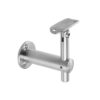
✔ Wall-mounted handrails: Must have at least 1.5 inches of clearance from the wall for easy grasping.
Why does this matter? If the handrail is too thick or too close to the wall, it can be difficult for people to hold onto, reducing its effectiveness as a safety feature.
4. Handrail Continuity and Extensions
To ensure maximum safety and usability, handrails must be continuous along the stairway or ramp and follow these guidelines:
✔ No interruptions: Handrails should run without breaks, except at landings or when connecting to another railing system.
✔ Commercial handrails must extend at least 12 inches beyond the top and bottom step for added accessibility.
✔ Handrails must not rotate or twist when grasped—secure installation is key.
💡 Pro Tip: For outdoor installations, ensure the handrail material is weather-resistant to prevent wear and tear over time.
5. Strength and Load-Bearing Requirements
Handrails must be strong enough to withstand force and pressure without bending or detaching.
✔ Handrails should be able to support 200 lbs. of force in any direction.
✔ Stainless steel and powder-coated metal are ideal for strength and durability.
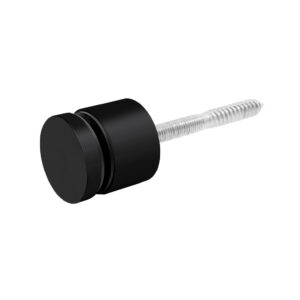
✔ Mounting brackets must be securely anchored into structural components for stability.
At West Railings, we sell only high-quality stainless steel handrails that meet and exceed industry strength requirements, ensuring long-lasting durability.
6. Choosing the Right Handrail for Your Space
There are various handrail options depending on your railing system and aesthetic preferences:
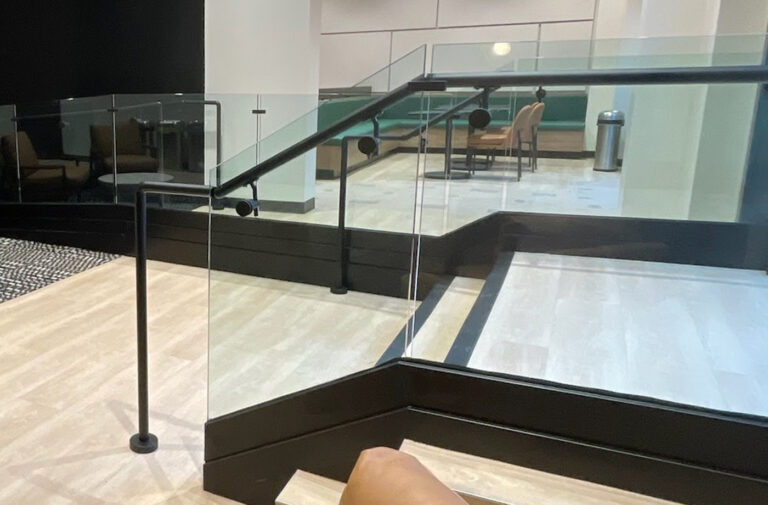
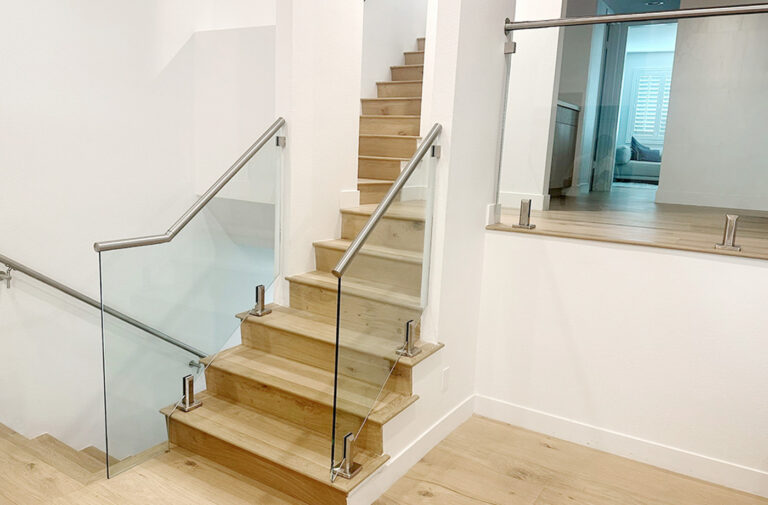
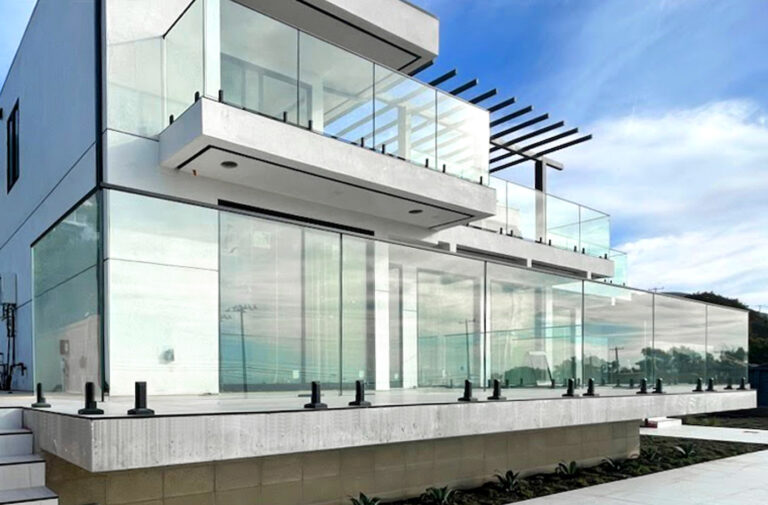
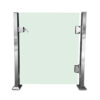
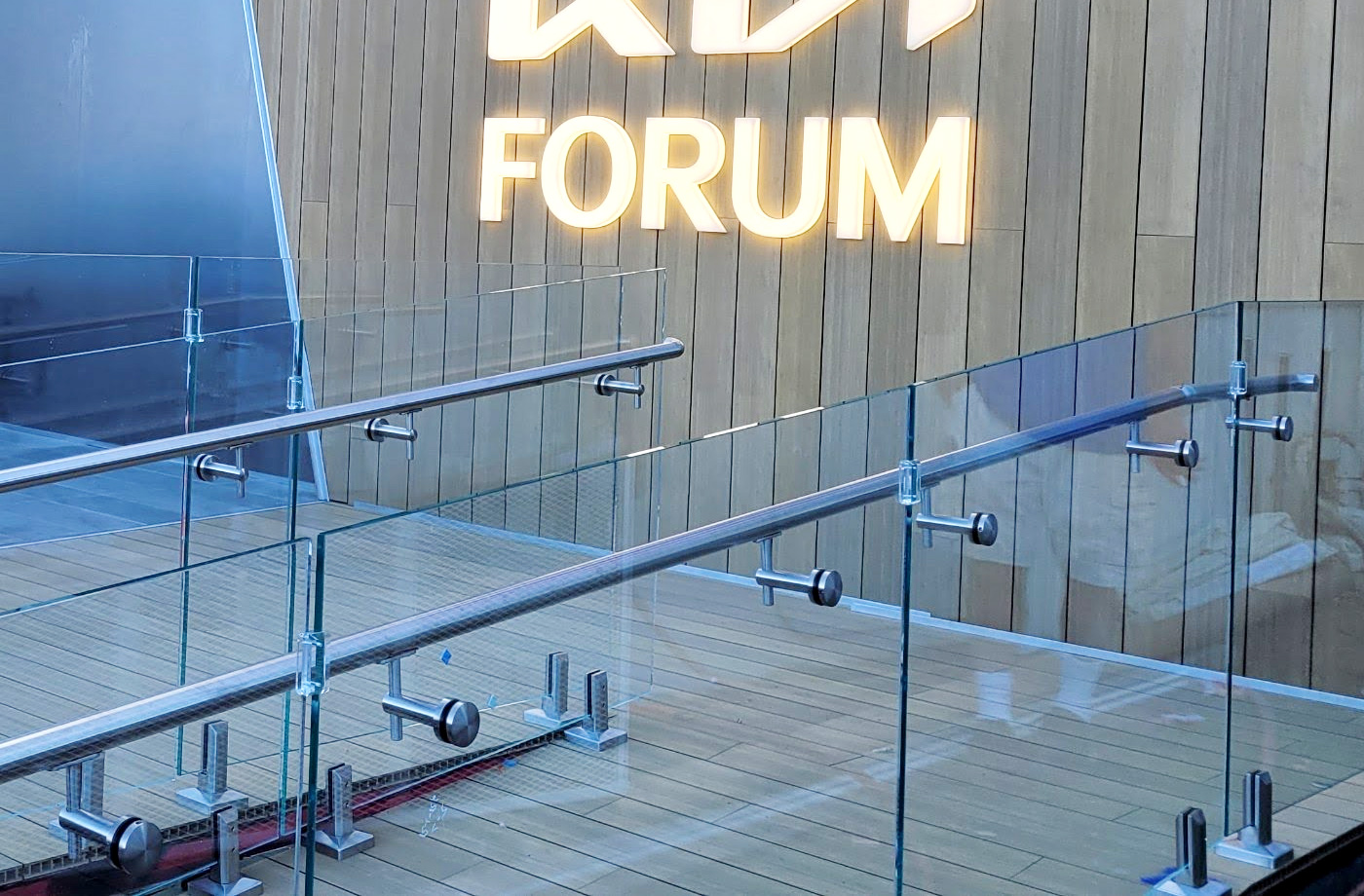
🔹 Glass Railing Handrails
✔ Can be mounted on top of the glass or installed separately as an offset handrail.
✔ Provides a minimalist and modern look.
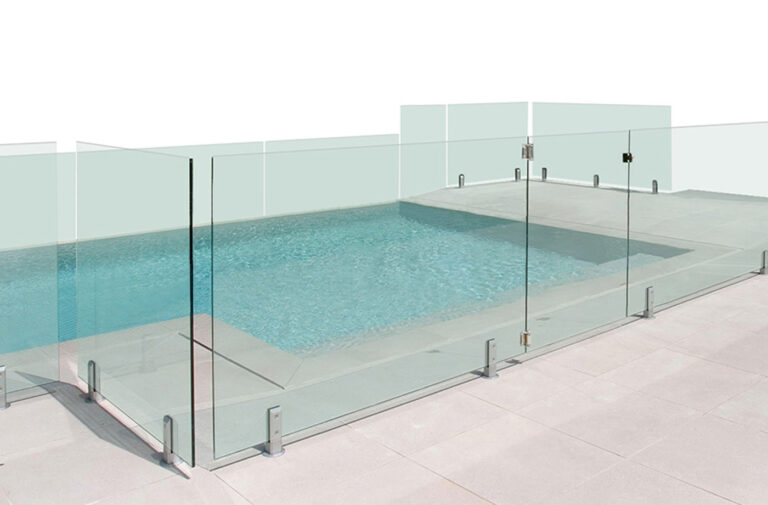
✔ Works well with frameless, spigot, or standoff glass railing systems.
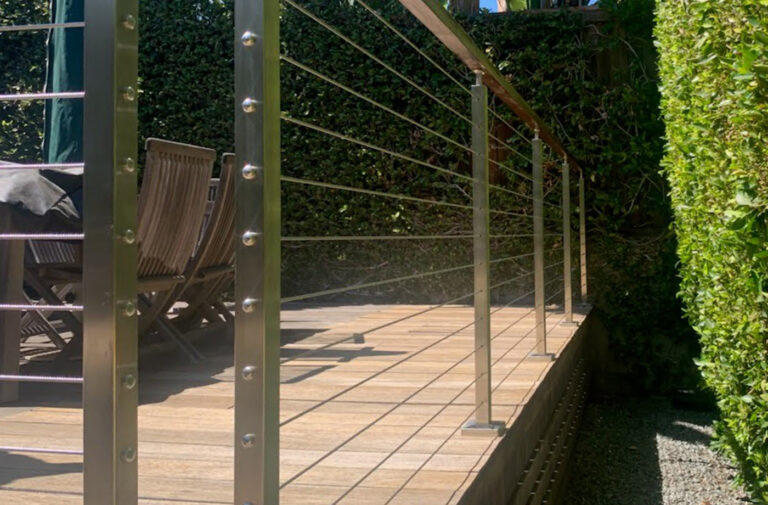
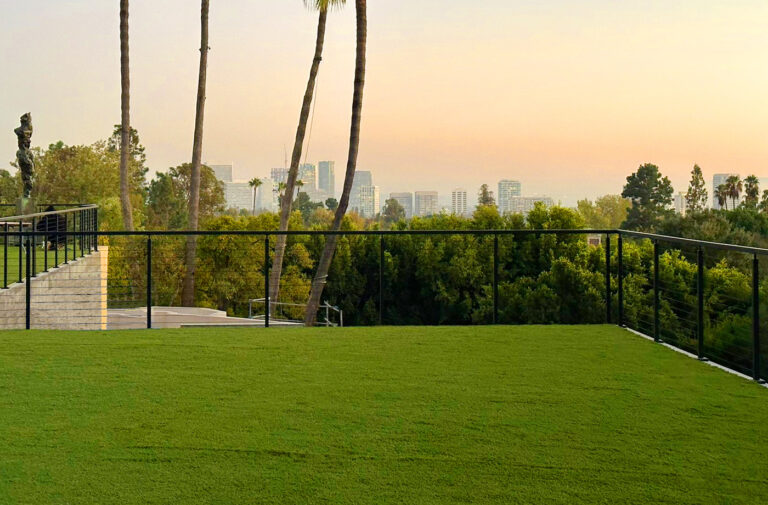
🔹 Cable Railing Handrails
✔ Typically made from stainless steel or wood for a sleek and industrial look.
✔ Pairs well with stainless steel posts for a contemporary design.
✔ Offers a strong, durable grip with minimal obstruction.
💡 Pro Tip: If aesthetics are your priority, a slim stainless steel handrail is a great choice for both glass and cable railing systems.
7. Handrail Maintenance and Care
✔ Regularly inspect for loose brackets, screws, or damage.
✔ Clean with mild soap and water to remove dirt and debris.
✔ For stainless steel handrails, use a non-abrasive cleaner to prevent rust or stains.
✔ If powder-coated, avoid harsh chemicals that may damage the finish.
💡 Pro Tip: If your handrail is exposed to moisture or salt air, apply a protective sealant to prevent corrosion over time or, call us regarding the possibility of powder-coating your hardware for extra durability, low maintenance, and extra style.
Final Thoughts: Safety Meets Style
Handrails are a vital safety component in any railing system, but they also contribute to the overall look and feel of your space. Choosing the right material, ensuring proper installation, and following safety guidelines will guarantee both functionality and aesthetic appeal.
At West Railings, we provide high-quality handrails for glass and cable railing systems that comply with safety codes while elevating your design.
Looking for the perfect handrail for your project? Contact us today for expert guidance and the best hardware available!